Sub-Total: £0.00




Just £350 for a limited time only!
Outstanding value for a 4 day course
First Person on Scene Level 3 QNUK
This QNUK Level 3 Award for the First Person on Scene (International) (FPOSi) is a four day course and is used by those who need to go beyond standard level First Aid, who may have access to more advanced medical equipment and resources.
This course develops the knowledge and skills required by those working in security services or high risk environments and ensures learners can provide help for a range of medical conditions and trauma related injuries. A specific difference to the QNUK Level 3 Award for First Responders course is that it also develops an awareness of ballistic and blast injuries and managing them. While the qualification has been developed for Close Protection Operatives working in the UK and abroad, the knowledge and skills it develops are also ideal for Cabin Crew, Industrial First Aiders and those working in remote areas.
Compared to other Level 3 Pre-Hospital Care qualifications on the market such as First Response Emergency Care (FREC), this qualification meets more level D competency descriptors on The Royal College of Surgeons Edinburgh Faculty of Pre-hospital Care (FPHC) Pre-hospital Emergency Medicine (PHEM) framework.
This qualification is delivered in line with Faculty of Pre-Hospital Care Royal College of Surgeons ethos & D13 Enhanced skills for Police & Specialist Armed Response Units , this. Advanced First Aid course meets the needs of:
- Close Protection Operatives
The RCSEd D13 Enhanced First Person on Scene Intermediate is designed to provide you "The Specialist" with advanced medical capabilities to provide extended emergency pre-hospital care at the most crucial time to those when they need it.
Such skills are crucial for those working in a Close Protection role especially in locations where the risks of incidents leading to injuries that are higher than what would normally be expected such as the areas that are most prone to terrorist attacks.
Course Units
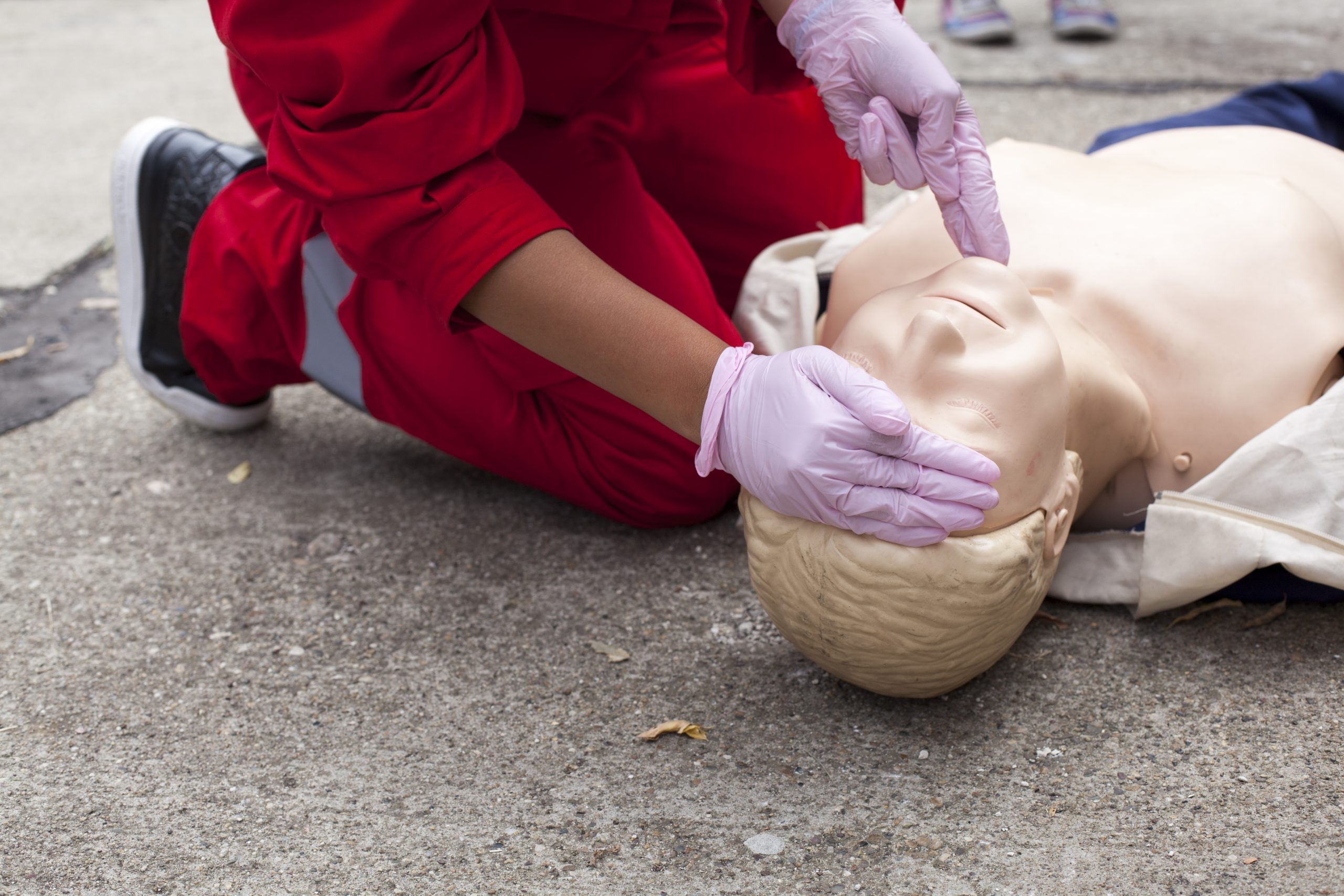
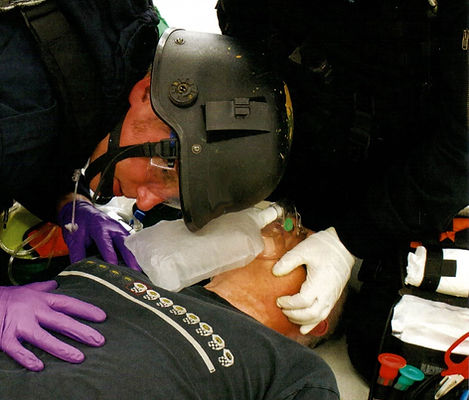
In addition to lifesaving skills (CPR, AED, Choking etc.) and management of medical emergencies, this course also covers (not exhaustive):
- Scene management and safety
- Advanced airway management
- Airway adjuncts – oropharyngeal airways (OPAs) and nasopharyngeal airways (NPAs)
- Oxygen administration (optional extra)
- Catastrophic haemorrhage control
- Tourniquets
- Specialist trauma dressings such as Israeli and Olaes modular dressings
- Blast and ballistic injuries
- Managing trauma related injuries
- Head, spinal, pelvic, chest injuries
- Fractures
- Hypothermia and Hyperthermia
Assessment Format
The MCQ paper will be taken under examination conditions, i.e. learners will sit a minimum of 1.25 metres apart, will not confer during the examination and no electronic devices (such as mobile phones) or books, including dictionaries, will be permitted.
- 60-question Multiple-choice exam
- Duration 90 minutes
- 70% Pass Mark